Bet Sizing Is the Loudest Tell in the Room
Forget shaky hands. Most live players size their bets by how much they like their hand, and once you see it you can't unsee it.
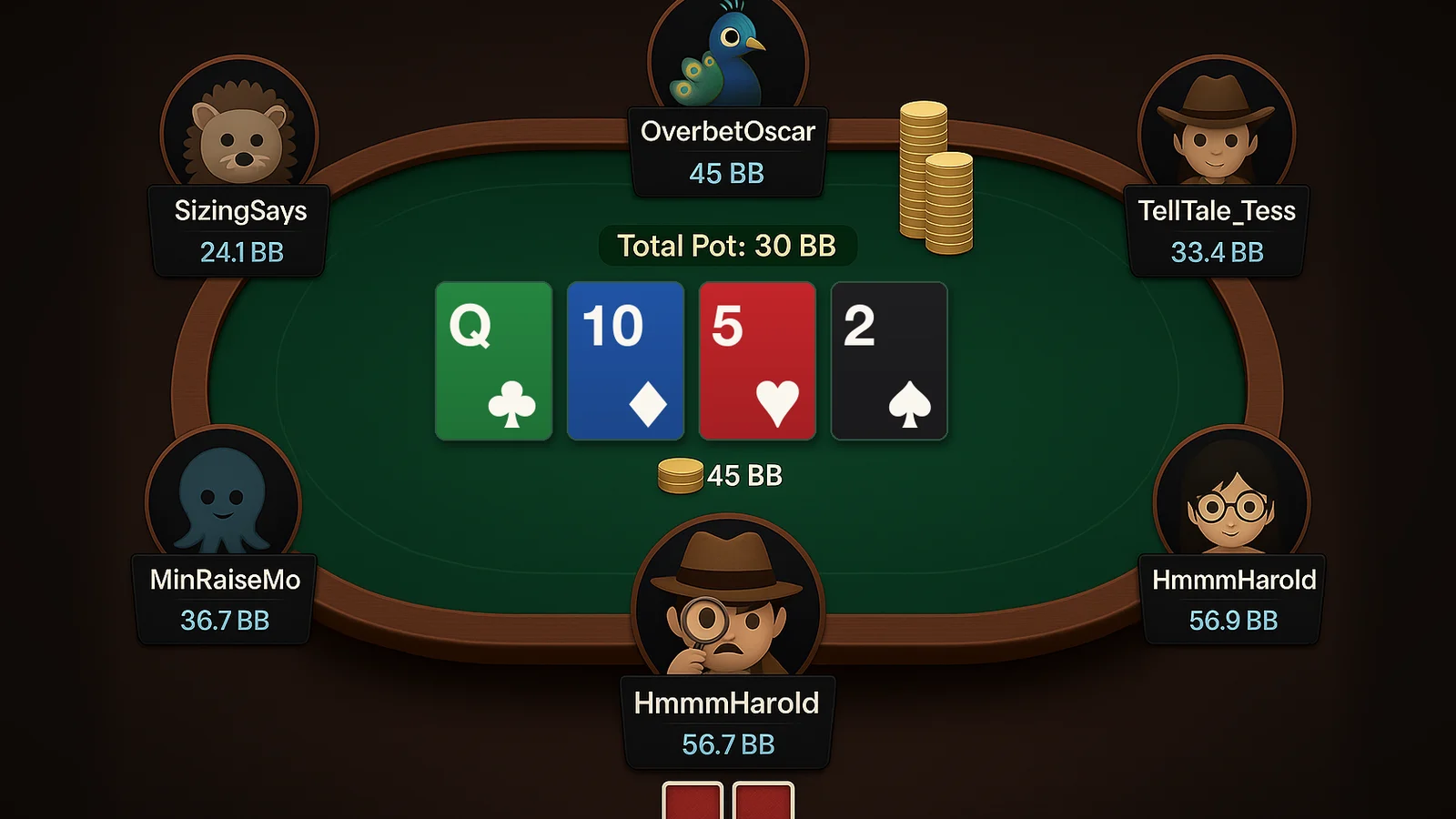
Forget shaky hands, darting eyes and the bloke who suddenly starts chatting about the footy. The most reliable tell in live poker is sitting right there in the middle of the table. It's how much they bet.
Online regs mostly use solver sizes. Live players? Most of them size their bets by how much they like their hand. Once you see it, you can't unsee it.
Everything below is an exploit. These only work once you've watched a specific player do it. Against someone you've got no read on, stick to your normal game.
Big means big, small means small
Plenty of coaches describe the classic recreational pattern: big bets with strong hands, small bets with weak ones. If you've spotted it, call down lighter against their small bets and give their big ones a lot of respect.
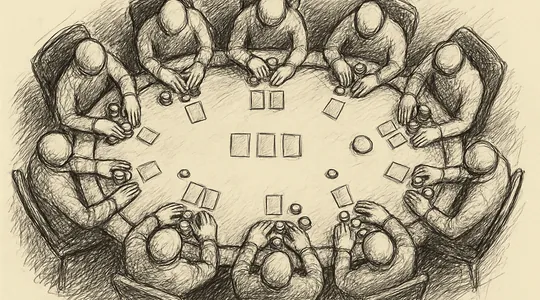
The advice for spotting it: watch every hand, including the ones you're not in. Every showdown at your table tells you how that player sizes. It's free information, and most people spend that time on their phone.
The tiny river bet
Some players only make small river bets for value and never bluff with them. The advice against that player: fold the bottom of your bluff-catchers. That little "blocker bet" that looks like a steal is often a thin value bet they're proud of.
"You can raise if you want"
This one made us laugh. A limper who chats something like "go on, raise it" is usually weak. Strong hands go quiet. Chatty limpers are trying to look strong. Jam wider over that limp.
The turn check
The rule here: when the flop c-bettor checks the turn, stab. Most live players bet all their strong hands on the turn. A check usually means they've given up. It's not always true, but against the average player it's true often enough.
When the flush hits
GTO Wizard describes a player type we've all met: always barrels flush draws, every single time. If you know that, you know two things. When the flush card hits and he bets, he's probably got it, so fold. When he checks, his flush draws have missed and he's weak, so attack.
Your homework
Next time you're at the table, pick one player and track two things: what he bets, and what he shows down. Do that for an hour. You'll be amazed how much they tell you without meaning to.